Introduction
Caring for an ostomy can be an overwhelming experience, both for people and their caregivers. An ostomy-- whether it's a colostomy, ileostomy, or urostomy-- stands for a substantial adjustment in one's life. These surgical procedures produce an opening (stoma) that enables waste to exit the body when a component of the digestive system or urinary tract is not working appropriately. However, with proper education and training, people can lead fulfilling lives post-surgery. In this extensive overview, we will check out tips and understandings from knowledgeable doctor on caring for an ostomy, covering every little thing from stoma care training to bowel treatment management.
What is an Ostomy?
Understanding the Basics of Ostomies
An ostomy http://sethyzae174.wpsuo.com/sustaining-clients-with-complicated-requirements-via-specialized-bowel-care-training is a surgical procedure that creates a synthetic opening in the body for waste elimination. This can be necessary because of various medical conditions such as cancer cells, inflammatory bowel disease, or stressful injury.
Types of Ostomies
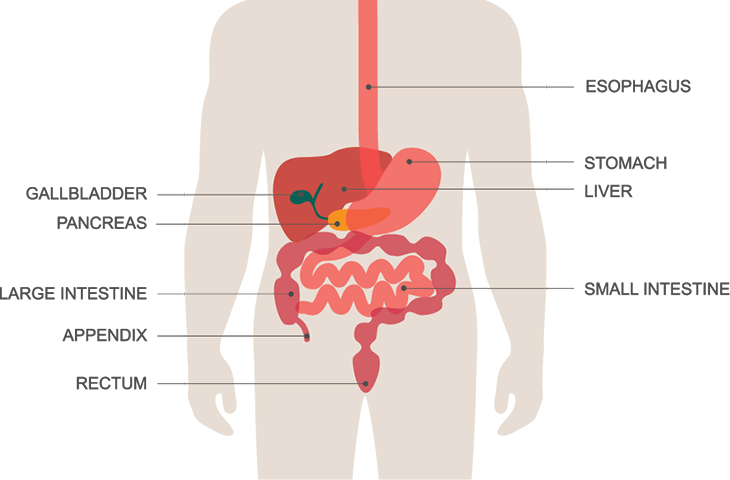
- Colostomy: A part of the colon is brought with the stomach wall. Ileostomy: The ileum (the last part of the small intestinal tract) is drawn away to an opening in the abdominal wall. Urostomy: This kind draws away urine away from an unhealthy bladder.
Each type needs details care procedures that vary based upon specific needs.
What is a Stoma?
Definition and Function
A stoma is the real opening developed throughout surgery. It functions as an outlet for physical waste, which can be accumulated in external bags or bags.
Characteristics of a Healthy Stoma
- Color: Ought to be pink or red. Size: Can vary but must stay constant over time. Moisture: A healthy and balanced stoma will certainly show up moist.
Caring for an Ostomy: Tips from Experienced Medical Care Providers
The Relevance of Stoma Care Training
Proper stoma treatment training gears up caretakers and clients with critical skills needed for efficient monitoring. Educating commonly consists of hands-on exercise with pouching systems and comprehending skin treatment techniques.
Key Parts of Stoma Care Training
Pouching Systems: Knowing different types and just how to select them based upon specific needs. Skin Treatment Protocols: Understanding exactly how to shield the skin around the stoma from irritation. Recognizing Complications: Determining signs of infection or other problems promptly.Complex Bowel Treatment: NDIS Perspective
Overview of NDIS Complex Bowel Care Training
For those qualified under the National Special Needs Insurance Coverage Scheme (NDIS), specialized training programs are readily available that concentrate on complex bowel care management.
Benefits of NDIS Complex Bowel Care Training
- Enhanced knowledge on bowel function and wellness maintenance. Personalized support plans customized to specific needs. Access to experienced medical care experts who give education and resources.
Bowel Treatment Monitoring Strategies
Importance of Digestive tract Care Courses
Participating in bowel care courses provides crucial expertise about keeping digestive health and wellness post-surgery. These courses usually cover nutrition standards, digestive tract regimens, and emergency situation action strategies.
Topics Covered in Bowel Care Courses
- Dietary recommendations post-surgery Monitoring bowel movements Managing irregularity or looseness of the bowels
Effective Communication with Health care Providers
Maintaining open lines of interaction with doctor can not be overemphasized. Regular examinations enable prompt adjustments to care plans as needed.
Questions to Ask Your Health Care Provider
What nutritional changes ought to I make? How do I recognize indications of complications? How commonly should I alter my pouch?Essential Supplies for Ostomy Care
List of Essential Supplies
Having the ideal materials handy can streamline daily routines dramatically. Here's a list:
|Product|Function|| ------|---------|| Pouching System|Gathers waste|| Skin Obstacle|Shields skin around stoma|| Adhesive Eliminator|Reduces bag elimination|| Wipes & & Cleansers|For cleaning skin|
Where to Acquisition Supplies
Ostomy supplies are offered with pharmacies, on-line stores, and specialized clinical supply stores.
Emotional Assistance and Counseling
Coping with Psychological Challenges
The shift after getting an ostomy can be emotionally exhausting; as a result, emotional assistance plays an essential role in recovery.
Available Resources
Support groups both online and offline. Counseling solutions specializing in chronic disease adjustment. Educational seminars focusing on living well with an ostomy.Nutrition Factors to consider Post-Ostomy Surgery
Dietary Alterations After Surgery
Patients may require to adapt their diet regimens to ensure optimum bowel wellness post-surgery:
Recommended Foods
- Low-fiber foods initially Gradual intro of high-fiber foods Plenty of fluids
Foods to Avoid
Processed foods Excessively sugary products Gas-producing foods like beans or cabbageTravel Tips for Ostomy Patients
Traveling with an ostomy calls for extra planning however should not prevent way of living options considerably:
Always lug additional supplies. Research centers at your location concerning medical support availability. Keep treats useful that are very easy on your gastrointestinal system.Fitness After Ostomy Surgery
Maintaining physical conditioning after surgical treatment enhances well-being however needs to be come close to carefully:
Common Issues Connected with Ostomies
Understanding potential problems aids in early detection:
|Difficulty|Signs & & Signs|Management|| --------------|------------------|------------|| Skin Irritability|Redness, itching|Usage barrier creams|| Blockage|Stomach pain, swelling|Hydration & & stool conditioners|| Infection|Uncommon discharge|Seek immediate medical attention|
FAQs Concerning Caring for an Ostomy
FAQ 1: What need to I do if my stoma shows up discolored?
If your stoma modifications color (e.g., dark purple), it may show decreased blood circulation; seek medical attention immediately.
FAQ 2: Exactly how often do I need to transform my pouch?
Most pouches should be altered every 3-- 7 days depending upon wear-time referrals by producers and personal comfort levels.
FAQ 3: Can I swim with an ostomy?
Yes! Many people with ostomies can swim safely using water-proof bags developed specifically for marine activities.

FAQ 4: Exists food I ought to stay clear of after having surgery?
Certain foods may irritate your system; consult your healthcare provider about nutritional limitations tailored particularly for you.
FAQ 5: Just how do I manage odors associated with my ostomy?
Using odor-proof pouches combined with deodorizers can help take care of unpleasant smells properly during wear-time.
FAQ 6: Will certainly having an ostomy impact my capacity to work?
Most individuals go back to function after recovery; however, lodgings may in some cases be needed depending upon work demands.
Conclusion
Caring for an ostomy involves comprehending numerous elements including correct training in stoma care, nourishment factors to consider, psychological assistance devices, and ongoing interaction with healthcare providers-- all critical parts adding towards successful management post-surgery. By embracing these methods stemmed from expert guidance within this overview labelled "Taking care of an Ostomy: Tips from Experienced Healthcare Providers," people can navigate their brand-new fact confidently while achieving optimum quality-of-life results moving on into this new phase they encounter after undergoing such considerable life changes.